
Introduction
Battery movement, at scale, is not only forklifts and shelves; it is a mesh of charge states, safety interlocks, and time windows. In smart logistics, that mesh becomes the backbone of cycle time and worker safety. Picture a 06:00 start in a pack assembly hall: AGV carts queue, cells arrive warm, and modules wait for clearance at the next gate—then the line pauses because a pallet did not reach the buffer bay on time. Data from similar lines are blunt: 10–18% idle time often ties to manual handoffs, and 7–9 minutes vanish in each misrouted swap. What follows is quality drift and higher risk of rework. So, how do some teams keep flow steady while others fight the same stoppages, day after day?

Let us frame the comparison. Lines that win convert chaotic handoffs into predictable signals, and they reduce noise at the point of move, not at the end. It sounds simple (da, it happens), but the difference sits in how controls, people, and software share one source of truth. This article breaks down five levers through a comparative lens and asks what they change in the real cell‑to‑pack world. Now, we move from headline claims to root causes.
Hidden User Pain Points That Still Drain Throughput
Where do the bottlenecks really begin?
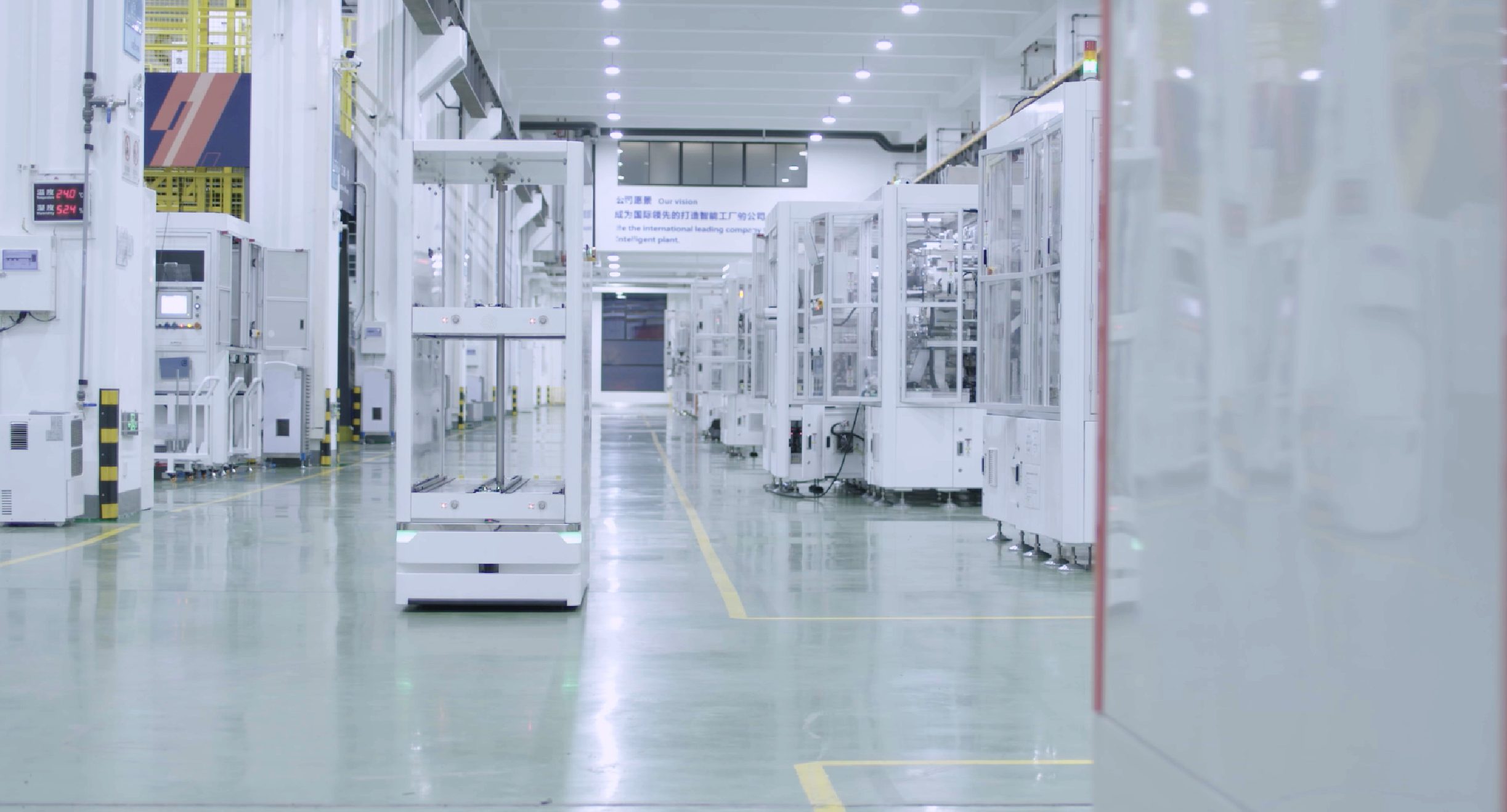
battery handling equipment is often bought to “move faster,” yet the daily pain sits elsewhere. Operators face unclear handoff rules between WMS and MES, so exceptions pile up in paper notes. The AGV fleet then circles for a free dock because buffer policies are static, not demand-driven. Meanwhile, edge computing nodes exist on the floor but do not sync temperature flags or SoC thresholds in real time, so pallets get parked “for safety” and time dies quietly. Look, it’s simpler than you think: slow information leads to slow steel. And fragile playbooks make people avoid risk—funny how that works, right?
Traditional kits mix chargers, power converters, and safety fences from many vendors. Each part meets spec, yet integration debt grows. A small mismatch in sensor timing triggers a full stop on the line. RFID tags read well at Station A, then drop at Station B due to a stray metal surface. Now a worker overrides and creates a shadow queue. In effect, the system acts manual again—even with robots on the floor. Users do not complain about speed first; they complain about trust: “Will the cart come when the pack is ready?” Until that answer is yes, every cycle time target is wishful math.
From Fixes to Principles: How the Next Wave Actually Changes Flow
What’s Next
The forward path is not another dashboard; it is tighter control at the move itself. Technically, three principles lead. First, state coherence: the same identity, SoC, and hazard flag must travel with the pallet across all touchpoints. That means WMS, MES, and the AGV scheduler read and write one canonical event stream—no side logs. Second, local autonomy: place lightweight logic on the floor so decisions happen near the cell, not in a distant server. Edge computing nodes can arbitrate dock assignments, then push only outcomes upstream. Third, predictive readiness: schedule bays and chargers not by shift time, but by expected arrival and heat decay. A small digital twin of the route can do that with live tags and simple heuristics.
In practice, this turns battery handling equipment into a coordinated actor, not a set of moving parts. Forks and AGVs align to the same takt pulse; chargers talk to power converters and safety PLCs; and alerts reach the cell station before the cart arrives. The result is modest but compound: fewer overrides, shorter micro-stops, and cleaner audits. We also get safer patterns, because rules sit in code, not in memory (and people forget—funny how that works). The earlier pain—paper exceptions, missed buffers, sensor drift—shrinks when identity and timing stay stable. To choose well, apply three evaluation metrics: 1) Signal integrity across WMS/MES/AGV interfaces under stress tests; 2) Latency from floor event to decision at the dock; 3) Recovery behavior when a sensor or tag fails mid-route. If these three score high, throughput follows, and so does confidence on the floor. For further technical depth and reference implementations, see LEAD.
 Baniza
  admin
admin